




















































































Vernacare supports research to deliver more sustainable infection control solutions

Vernacare has secured research funding for the University of Manchester’s Henry Royce Institute that could lead to even more sustainable healthcare products.
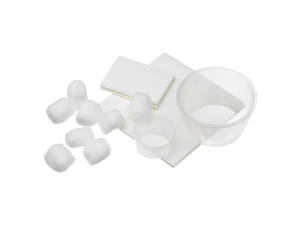
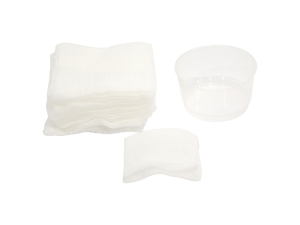
As part of the continuous development of Vernacare’s single-use wash bowls, which are manufactured from 100% recycled materials, a six-month research project at the Henry Royce Institute’s Sustainable Materials Innovation (SMI) Hub will investigate the role of Polyfluoroalkyl substances in detergent proofing and perform a comprehensive exploration of alternative, more environmentally friendly detergent-proofing additives.
A long-term champion of sustainability, Vernacare has secured funding through Innovate UK Business Connect for detailed research into the bowls’ composition and structure, and how additives are distributed within them. While Polyfluoroalkyls are present at extremely low levels in these products, Vernacare and the Henry Royce Institute will pioneer research into alternatives to these additives as part of their commitment to sustainability. The project will lead to a greater understanding of polyfluoroalkyl substances’ waterproofing and detergent resistance properties and help determine the key attributes of potential alternatives.
Established in 2014, the SMI Hub is part of the Henry Royce Institute at The University of Manchester, and performs assessments on the materials used in products, packaging and components to inform more sustainable choices. The research it will undertake in collaboration with Vernacare will be supported by a detailed literature review and a deep dive into additives currently being utilised in the commercial sector. The resulting findings, experiences, and best practices will, wherever possible, be shared with other industry players.
Commenting on the collaboration, Alex Hodges, CEO at Vernacare, said: “This collaboration is important because it will be used to drive future product development and allow us to make even more sustainable yet high-performing products for use in healthcare facilities around the world.”
“By finding viable, more sustainable alternatives to the products that healthcare providers rely on to control infection, we hope to not only enhance our own range of products but help the entire healthcare sector be more sustainable”, he continued.