

































Protecting Healthcare Workers with Clinisafe® Cat A Container
In the world of healthcare, few responsibilities are as critical, or as potentially dangerous, as the safe handling and disposal of Category A clinical waste. This type of waste, contaminated with pathogens capable of causing severe, often fatal diseases, poses a significant threat not only to patients and healthcare workers but also to waste handlers and the wider public.
Diseases classified under Category A, such as Ebola virus disease, are known for their high mortality rates, ease of transmission, and potential to cause widespread outbreaks. As such, the containment and disposal of waste associated with these pathogens must be approached with the utmost care and precision.
At Vernacare, we are committed to supporting healthcare professionals with innovative, compliant, and sustainable solutions. Our new Cat A Clinisafe® Waste container has been purpose-designed to meet the highest standards of safety and is certified to UN3549, ensuring that even the most dangerous waste can be managed with confidence.
Understanding Category A Diseases: A Hidden but Deadly Threat
Category A diseases represent some of the most dangerous biological threats known to humanity. These pathogens are designated as “Category A” by public health authorities such as the World Health Organization (WHO) and the UK Department of Health, due to their potential to:
- Be easily transmitted from person to person
- Cause high mortality rates
- Lead to major public health emergencies
- Disrupt societies and economies
- Require special public health preparedness
Also described as High Consequence Infectious Diseases (HCID), it is imperative that healthcare settings have a plan in place for any outbreaks they may face.
Ebola Virus Disease: A Case Study in Catastrophic Contagion
Among the most notorious Category A diseases is Ebola virus disease (EVD). First identified in 1976 near the Ebola River in what is now the Democratic Republic of Congo, Ebola has since become synonymous with deadly outbreaks, particularly in parts of Africa.
Transmission and Symptoms
Ebola is transmitted through direct contact with the blood, secretions, organs, or other bodily fluids of infected individuals. It can also spread via contaminated surfaces and materials, including medical equipment and waste. The disease typically begins with flu-like symptoms—fever, fatigue, muscle pain, and headache—but can quickly escalate to vomiting, diarrhoea, internal and external bleeding, and multi-organ failure. The incubation period ranges from 2 to 21 days, and the fatality rate can be as high as 90%, depending on the virus strain and the quality of care available.
By maximising capacity, the Trust reduced container changes, freeing up more time for patient care. Fewer containers also meant fewer collection trips, cutting carbon emissions and supporting the NHS’ Net Zero commitment.
Notable Outbreaks
2014–2016 West Africa Outbreak: The largest Ebola outbreak in history, affecting Guinea, Liberia, and Sierra Leone. Over 28,000 cases and 11,000 deaths were reported.
2018–2020 DRC Outbreak: Affected over 3,400 people with a fatality rate of 66%.
2022 Uganda Outbreak: Caused by the Sudan strain, with 164 cases and 77 deaths.
These outbreaks not only overwhelmed healthcare systems but also highlighted the critical importance of infection control, including the safe handling of contaminated waste.
The Role of Waste in Transmission
Ebola-contaminated waste, such as used PPE, syringes, bandages, and bodily fluid-soaked materials can remain infectious for days. Improper disposal or handling of this waste can lead to secondary infections, putting healthcare workers, cleaners, and waste handlers at extreme risk.
This is why Category A waste must be managed with specialised containers that are leak-proof, tamper-proof, and clearly labelled to prevent accidental exposure.
The Importance of Proper Waste Containment
When dealing with Category A clinical waste, containment is not just a procedural step, it is a lifesaving intervention. The consequences of improper waste handling can be catastrophic, leading to the spread of deadly pathogens, occupational injuries, and widespread public health emergencies.
Regulatory Guidance and Classification
In the UK, the Health Technical Memorandum 07-01 (HTM 07-01) provides detailed guidance on the safe management of healthcare waste. According to this guidance:
- Waste contaminated with Category A pathogens must be classified as UN3549:
“Medical waste, Category A, affecting humans, solid.” - This classification mandates the use of specialist containers that are leak-proof, puncture-resistant, and clearly labelled.
- Waste must be double-bagged, with absorbent materials used to manage any potential leakage.
- Reusable containers are not permitted for Category A waste due to the risk of cross-contamination.
Additionally, facilities must consult with a Dangerous Goods Safety Adviser (DGSA) to ensure compliance with transport regulations and to avoid over-classification or misclassification of waste.
The Real-World Risks of Improper Containment
Improper containment of Category A waste can lead to:
- Exposure to infectious fluids during handling or transport
- Environmental contamination if containers leak or rupture
- Legal and financial consequences for healthcare providers, including fines and reputational damage
In outbreak scenarios, such as the 2014–2016 Ebola crisis, lack of infrastructure for proper waste management was a key factor in the spread of infection within healthcare settings. Those disposing of the waste were at serious risk of becoming infected due to inadequate protective measures, robust hand hygiene practices and poor containment.
Best Practices for Safe Containment
To mitigate these risks, healthcare facilities should implement the following best practices:
- Use only certified Cat A containers that meet UN3549 standards.
- Double-bag all waste using yellow clinical waste bags, tied securely using the swan-neck method.
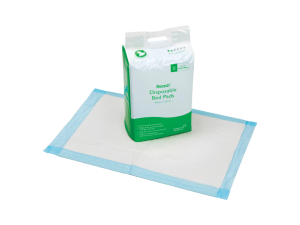
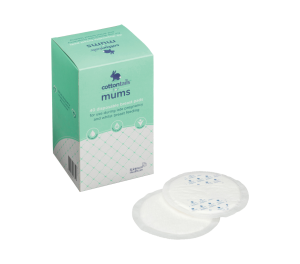
- Place absorbent pads at the bottom of containers to manage fluids.
- Seal sharps bins before placing them inside the Cat A container. Sharps containers should also be bagged before being placed into the Cat A container.
- Clearly label all containers with permanent, tamper-proof identifiers.
- Avoid reusable containers—single-use is essential for infection control.
These practices not only protect healthcare workers and waste handlers but also ensure compliance with national and international regulations.
Our Solution
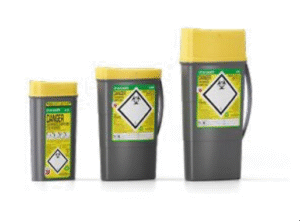
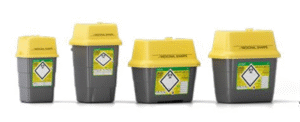
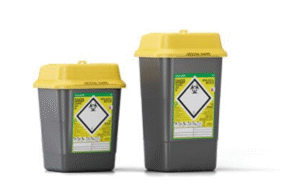
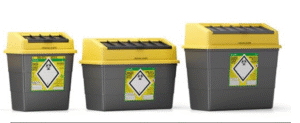
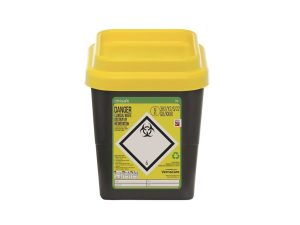
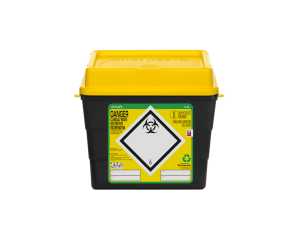
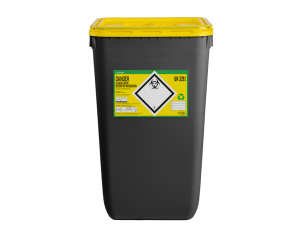
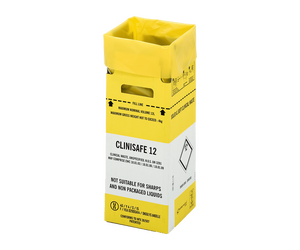
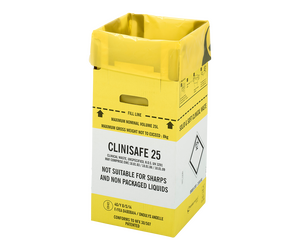
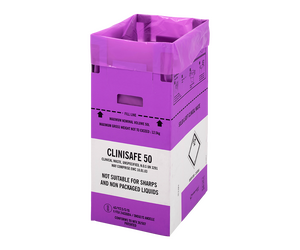
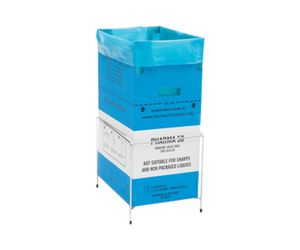
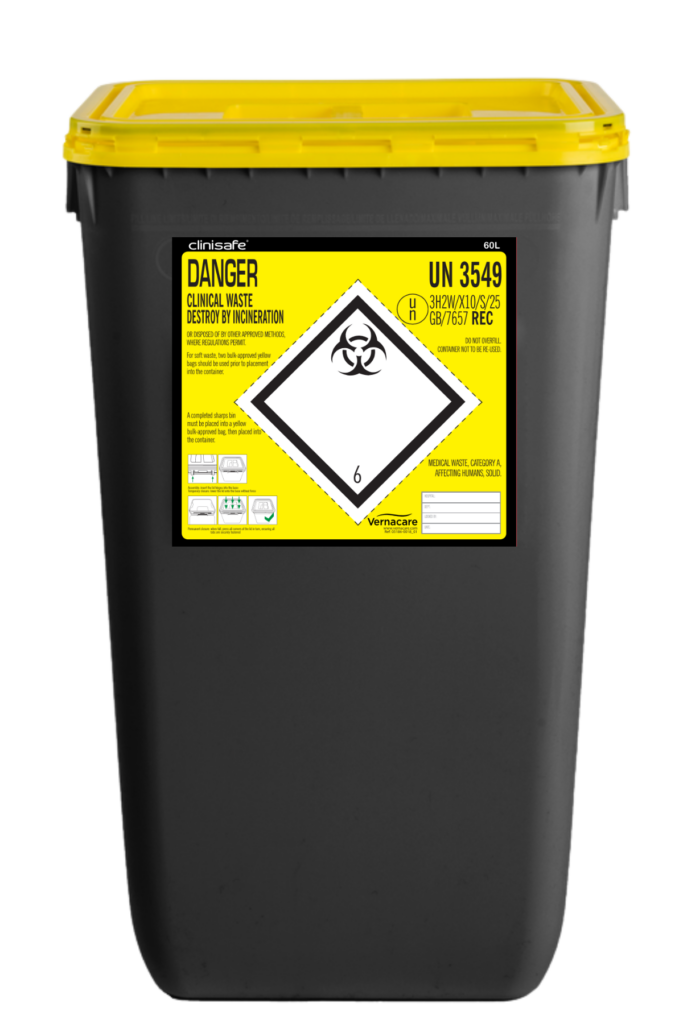
The Clinisafe® Category A Container is specifically developed for the safe storage and handling of Category A infectious waste.
Engineered to meet the stringent requirements of UN3549, this bespoke container provides a secure solution for the segregation and temporary storage of high-risk waste. When used in conjunction with two UN-approved bulk clinical waste bags, it ensures full compliance with ADR international transport and safety regulations.
Made from recycled materials, this range also supports environmentally responsible healthcare practices, helping organisations and individuals contribute to sustainability goals.
Designed for maximum containment and peace of mind, the Category A container supports healthcare providers in managing hazardous waste responsibly, while upholding the highest standards of infection control and environmental safety.
Features and Benefits at a Glance
- Extra-Large Self-Adhesive Label
Ensures a durable audit trail for compliance and traceability, with safety information that remains easy to read throughout the container’s use. - Hermetic Rubber Seal Lid
Provides an airtight seal to minimise the risk of leaks and exposure to infectious materials. - Large Open Aperture
Allows for easy and safe disposal of clinical waste, including bulky or irregular items. - Sustainable Design
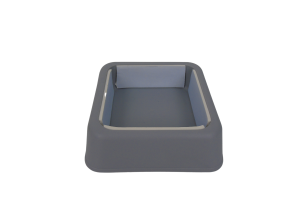
Manufactured using recycled materials, supporting your organisation’s environmental and carbon reduction goals. - Stackable Bases
Designed for space-saving storage, making them ideal for high-volume clinical environments. - Integrated Carry Handles
Located on both the lid and container body, ensuring safe and ergonomic transport whether the container is open or sealed. - Wide Base for Stability
Prevents tipping and enhances safety during use, especially in busy or high-risk areas. - Certified Safety Standards
Fully compliant with UN3549, ensuring the container meets the highest international standards for the containment and transport of Category A waste.
Why Single-Use Still Matters in Infection Control
In an era where sustainability is a growing priority, the use of single-use clinical products especially in waste management can sometimes be misunderstood. While reducing environmental impact is essential, it must never come at the expense of patient safety, staff protection, or infection control. When it comes to Category A infectious waste, single-use solutions remain non-negotiable.
Breaking the Chain of Infection
The chain of infection describes how diseases spread from one host to another. In high-risk healthcare environments, every link in that chain must be broken to prevent transmission. Reusable containers, even when thoroughly cleaned, carry a residual risk of contamination—especially when dealing with pathogens that can survive on surfaces or resist standard disinfection methods.
Single-use containers, like the Clinisafe® Category A container, eliminate this risk entirely. Once sealed, the container is never reopened or reused, ensuring that any infectious material is permanently contained and safely disposed of.
Sustainability Without Sacrifice
At Vernacare, we believe that safety and sustainability can go hand in hand. That’s why our Cat A containers are manufactured using recycled materials.
Infection prevention is not just about what happens at the bedside—it’s about what happens afterwards, when contaminated materials are removed from the clinical environment. Single-use containers provide a clear, consistent, and compliant method for managing high-risk waste, giving healthcare professionals the confidence that they are doing everything possible to protect themselves, their patients, and the public.